
The RU-486 Abortion Pill | 6 Facts Everyone Should Know
The abortion pill is a combination therapy designed to induce a medical abortion during the first trimester of pregnancy. It is an alternative approach to surgical abortion, recognized to be effective and safe.
The RU-486 abortion pill, also known as mifepristone, is a medication used in combination with misoprostol to terminate an early pregnancy.
Here are six important facts about the RU-486 abortion pill, based on established medical research and clinical recommendations.
1. RU-486 Was First Approved in France in 1988
RU-486, the original research name for mifepristone, was developed in France during the 1980s. It received its first regulatory approval for abortion in France in 1988 and subsequently became available in other countries.
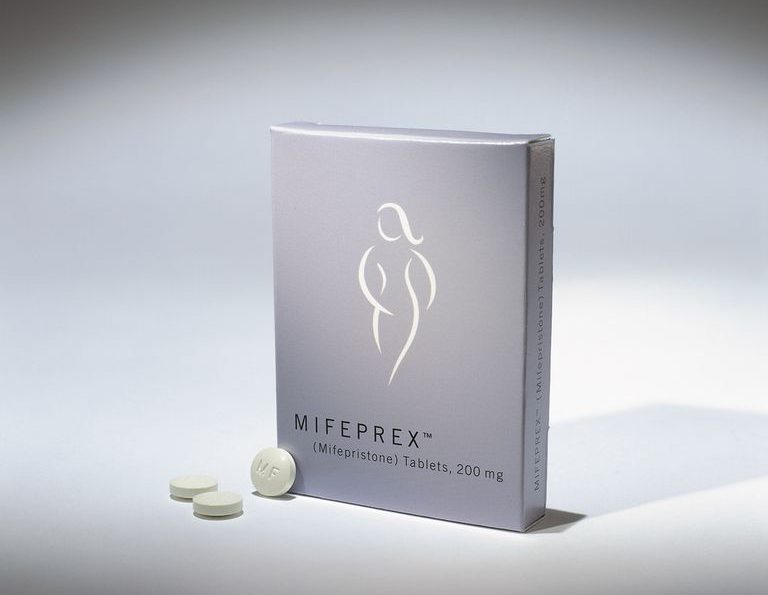
The FDA approved mifepristone under the brand name Mifeprex in September 2000. A generic version received approval in 2019.
Since its introduction, mifepristone has become an important medication in reproductive healthcare.
Medical organizations, including the American College of Obstetricians and Gynecologists (ACOG) and the World Health Organization (WHO), recognize medication abortion as a safe and effective option when used according to appropriate clinical guidance.
The availability of abortion medications, however, varies depending on national and state laws.
2. The FDA Approves RU-486 for Pregnancies Up to 10 Weeks
One of the most important facts about RU-486 is the difference between its FDA-approved gestational limit and the broader circumstances in which abortion medications may be used in clinical practice.
In the United States, the FDA-approved combination of mifepristone and misoprostol is indicated for terminating an intrauterine pregnancy through 70 days, or 10 weeks of gestation.
Medical evidence also supports medication abortion at later gestational ages under different clinical protocols, although these uses fall outside the FDA’s approved early-pregnancy regimen.
Gestational age, medical history, pregnancy location, and applicable laws are important factors in determining appropriate care.
As of October 2026, Florida generally prohibits abortions after six weeks of gestation, with limited statutory exceptions involving certain medical emergencies, fatal fetal abnormalities, rape, incest, or human trafficking.
Florida also requires abortion medications to be dispensed in person by a physician rather than provided through telehealth or mailed to patients.
3. RU-486 and Misoprostol Are Two Different Medications
The terms RU-486, mifepristone, misoprostol, and abortion pill are frequently used interchangeably. However, they do not all refer to the same medication.
RU-486 is another name for mifepristone, while misoprostol is a separate medication.
The two medications perform different functions.
Mifepristone (RU-486):
Mifepristone works by blocking the effects of progesterone, a hormone necessary for maintaining pregnancy. Without normal progesterone activity, the pregnancy cannot continue developing as it ordinarily would.
Misoprostol (Cytotec):
Misoprostol is a synthetic prostaglandin that causes the uterus to contract and empty its contents.
When used together, these medications are more effective for early medication abortion than either medication used alone.
It is also important to understand that the abortion pill is not the same as the morning-after pill.
Emergency contraception is intended to prevent pregnancy before it becomes established; it does not terminate an existing pregnancy.
4. The RU-486 Abortion Pill Is Approximately 95–99% Effective
Research has consistently demonstrated that medication abortion using mifepristone and misoprostol is highly effective.
Clinical studies report success rates generally ranging from approximately 95% to 99% during early pregnancy, depending on gestational age and other clinical factors.
Effectiveness is generally highest in earlier pregnancies and decreases somewhat as gestational age increases.
Although the majority of medication abortions are completed without additional treatment, a small percentage of patients may require further medical evaluation or intervention.
5. RU-486 Does Not Cause Infertility or Damage Future Pregnancies
One common misconception about the abortion pill is that it can permanently damage the uterus or reduce the likelihood of becoming pregnant in the future.
Current medical evidence does not support this claim.
According to ACOG, an uncomplicated medication abortion does not adversely affect future fertility or pregnancy outcomes.
The medications do not cause permanent changes to the uterus or ovaries.
6. Breastfeeding Can Generally Continue After a Medication Abortion
Another frequently asked question concerns whether mifepristone and misoprostol are compatible with breastfeeding.
According to the National Library of Medicine’s Drugs and Lactation Database (LactMed), available research indicates that breastfeeding generally does not need to be interrupted after the single-dose mifepristone treatment commonly used for medication abortion.
Research also indicates that only very small amounts of misoprostol enter breast milk.
LactMed reports that infant exposure to misoprostol through breast milk is extremely low and is not expected to cause adverse effects.
However, available studies involving mifepristone during breastfeeding remain limited, particularly regarding direct infant outcomes.
Patients who are breastfeeding, especially those with premature or medically vulnerable infants, should discuss their individual circumstances with a healthcare professional.
Summing Up
The RU-486 abortion pill is a very important tool for women to have available in case of unwanted pregnancy.
It is important for everyone to remember that it is not the same as surgical abortion and can cause more physical side effects.
As with anything else, there are risks associated with taking the pill and it is important to seek out medical advice before deciding if this option is right for you.
Ultimately it comes down to making an educated choice that puts your well being first.
This is why we are committed to answering questions about the abortion pill and supporting people who will have to live or have already experienced an abortion.
Contact us if you need help.
Dr James S Pendergraft | Orlando Women’s Center | Abortion Pill Clinic | Articles On Abortion


Comment (1)
[…] is a 24 hour waiting period in Florida so Mifepristone is not given until 24 after the first visit. Mifepristone causes the Uterine lining to thin and the […]